WatershedsFlow & nutrients
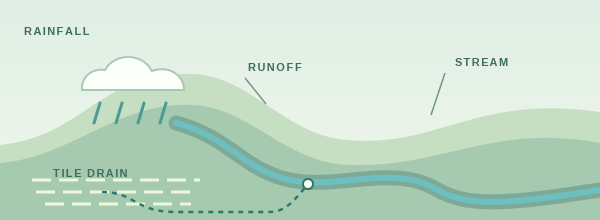
Hydrology & watershed systems
Field measurements and watershed models trace how flow and nutrients move from drainage networks to receiving waters, helping identify where conservation can have an effect.
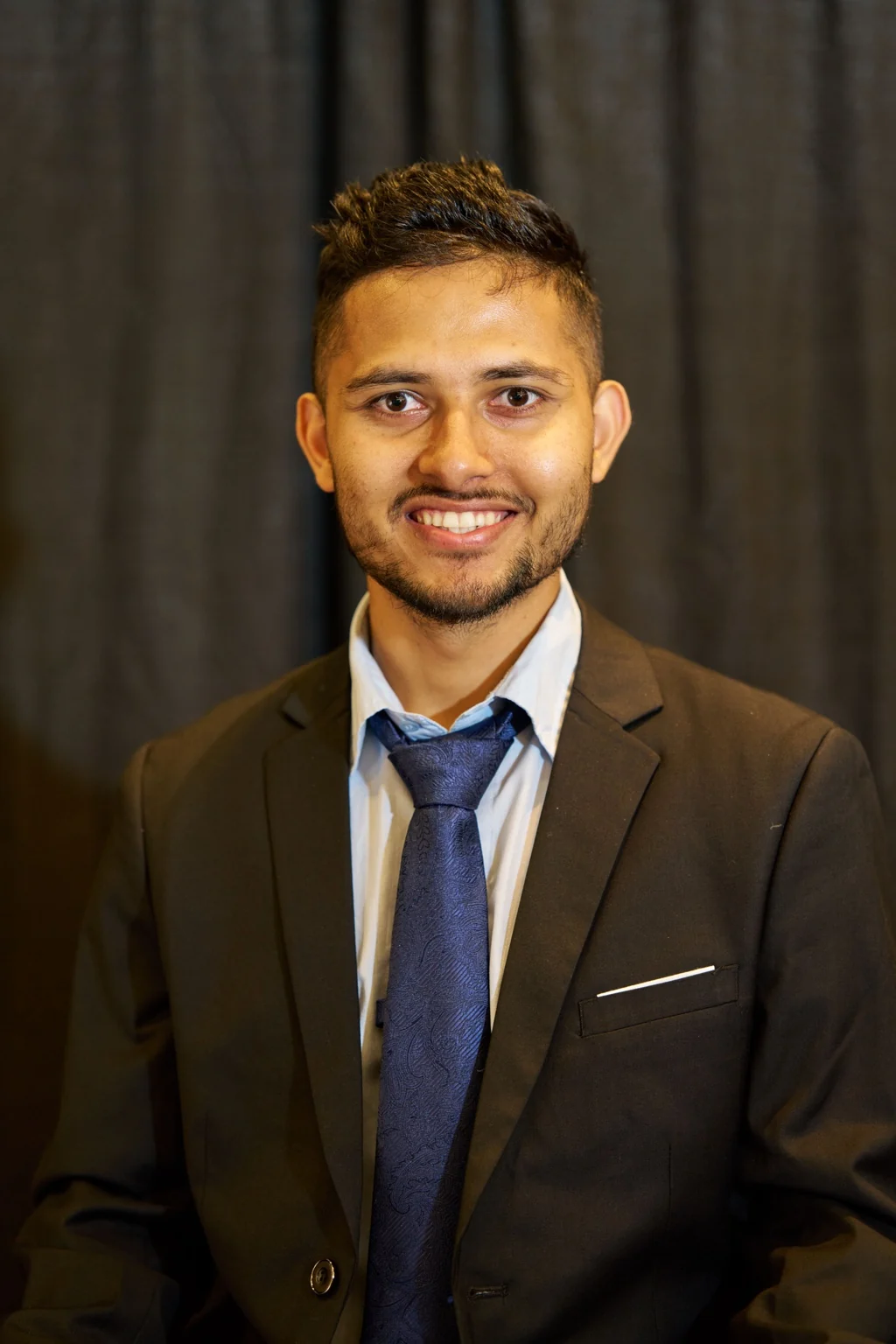
Water challenges rarely fit within a single field, stream, or city. Flow, flooding, and pollution connect places that may seem far apart. I bring field evidence, hydrology, hydraulics, and water quality modeling together to understand those connections and evaluate practical solutions, from conservation practices to green infrastructure. I’m Haribansha Timalsina, a Civil Engineering EIT and Ph.D. candidate at the University of Illinois Urbana-Champaign, focused on soil and water resources engineering.
Born and raised in the Himalayas of Nepal, I witnessed how floods, landslides, and water contamination affect communities. Those experiences drew me toward water challenges early in my civil engineering career. Work on rural water supply, bridges, and rivers deepened that interest. Today, I am driven to connect field evidence and watershed modeling with decisions that protect communities and improve water quality.
Field measurements and watershed models trace how flow and nutrients move from drainage networks to receiving waters, helping identify where conservation can have an effect.
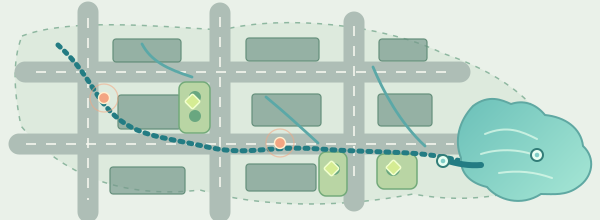
Mapping drainage and flood pathways helps locate runoff pressures and compare green infrastructure options with their downstream effects.
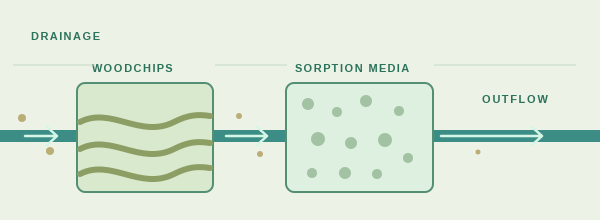
Woodchip bioreactors and phosphorus filters are assessed for treatment performance, placement, and cost so promising practices can be evaluated beyond the lab.
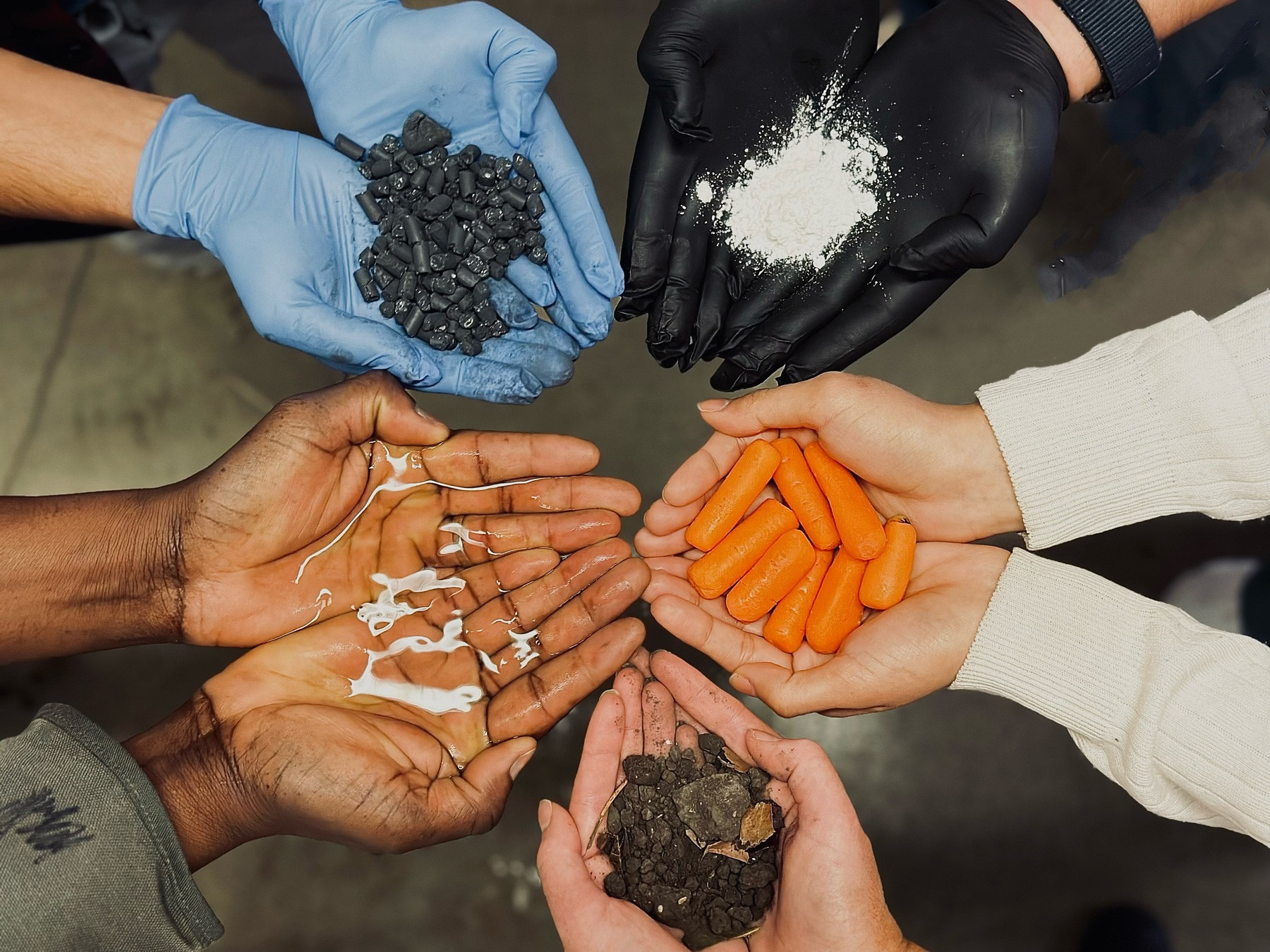 Image by Hari · Illinois Graduate Image of Research, 2024
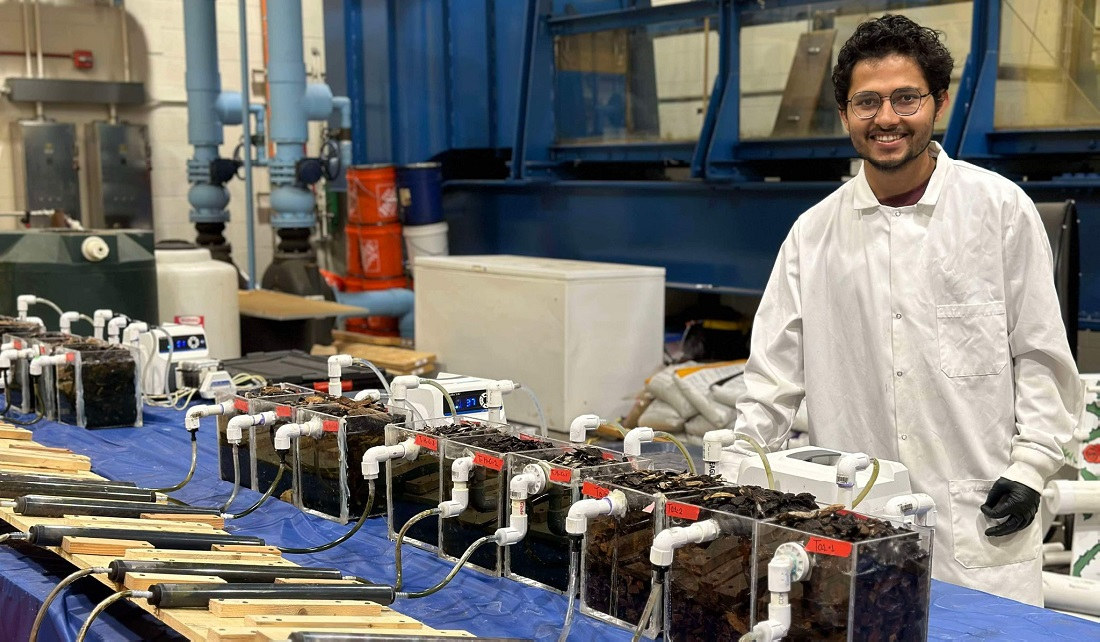
At Illinois field sites, flow and nitrate measurements show how woodchip bioreactors perform under changing drainage conditions. Paired laboratory experiments examine a second treatment step for phosphorus. Sea Grant’s profile follows the work from monitoring to practical conservation decisions.
Read the Sea Grant profile ↗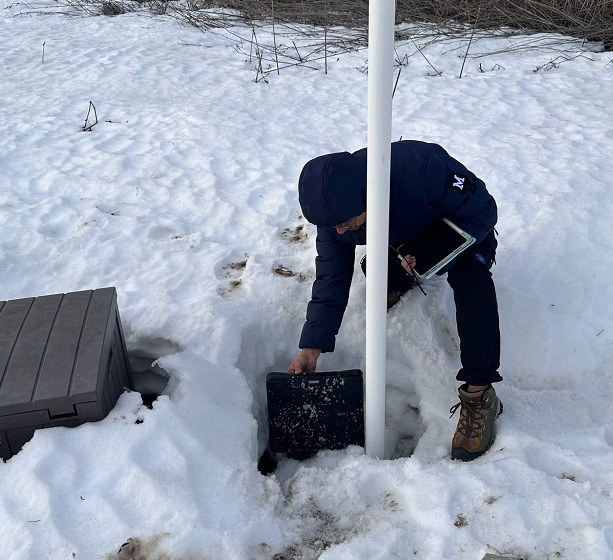
For engineering roles, research collaborations, or questions about this work, reach me here.